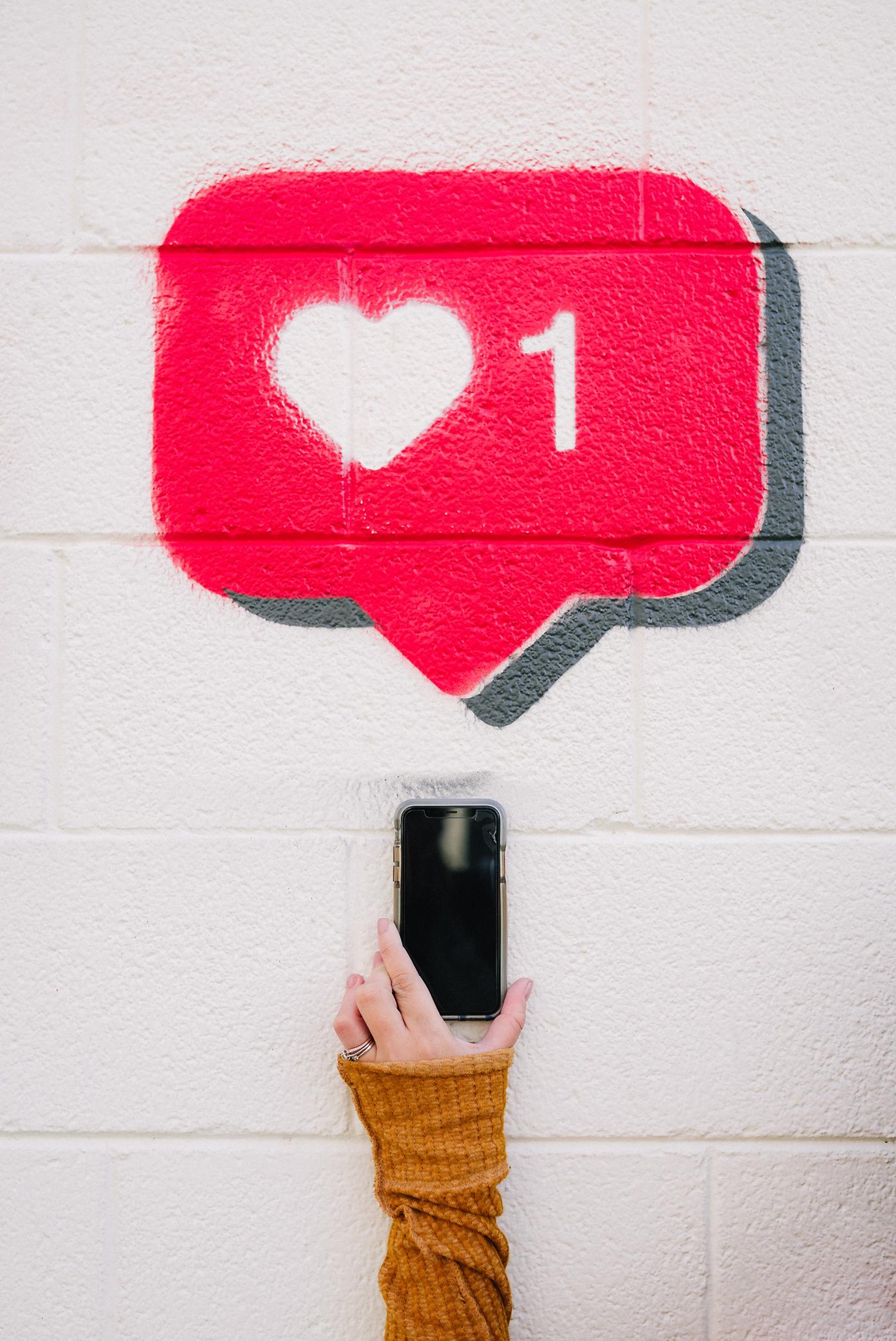
Oh, the ease of scrolling, double-tapping, and seeing what everyone else is up to. We are supposed to feel more connected, but somehow, at the same time, it makes us feel disconnected, lonely, and self-critical. I remember the first time I deleted all of my social media apps. Even though the apps were no longer on my screen, I would still subconsciously unlock my phone, tap on the place where the app used to be, in which of course a completely different app would open up. This happened multiple times for the first few days of deleting the apps, which is actually quite embarrassing. Nonetheless it was definitely an eye-opening experience, where I realised that rather than me having control over my phone, my phone had control over me.
It wasn’t until several months later, when I read the book ‘Digital Minimalism’, that I really started to understand the psychology behind social media use. In the book, Cal Newport says “People don’t succumb to screens because they’re lazy, but instead because billions of dollars have been invested to make this outcome inevitable.” It turns out that these companies create heaps of strategies to exploit the psychological vulnerabilities that humans possess. They know that we have a need for social approval, therefore they increase the instances of addictive doses of social approval and positive reinforcement – from things such as the like button, being tagged in a photo, to the red notification bell. Did you know that originally, the Facebook notification button was blue, but when they realised no one was using it, they changed it to red, a colour that we are often more attracted to, and the clicking skyrocketed.
Every time we receive a notification, we get an instant rush of dopamine, causing us to feel pleasure – much like when people gamble or use drugs. Thus, we want to repeat the action to stimulate these reward centres, and suddenly we can’t seem to get off the apps. How often do you mindlessly click on an app and start scrolling for no reason? Did you consciously decide to do it, or was it just an automatic reflex? The passive consumption of these sites is exactly what these companies want from us, as their aim is to keep us on the app or site for as long as possible. Overtime, this may lead to us neglecting real-life relationships, responsibilities, and our health.
Now I am not putting all the blame on these companies, because I don’t believe it was intended to go this far when social media was first introduced, and I do believe changes are slowly being made for the better. Technology and the power that it has on us has advanced incredibly too quickly for society to handle, adapt, and comprehend what is actually going on. So, whilst technology is helping humans live longer and do more, we often forget to think about the detriments it may have. And for us consumers, well we have essentially stumbled across a digital life we didn’t really sign up for. I guess what I’m trying to say is that there is no use playing the blame game, but rather we should focus more of our energy on what can be done to solve these issues. Whilst these companies are a large reason for our increased screen times, it is still our own responsibility to become educated on the matter and do what needs to be done to make sure we don’t continue to fall into these traps.
So how can we take back control over our digital consumptions and use it more healthily? Stay tuned for future posts where I will delve more into these questions!
 Fee Teng Liew
One thought on “The Psychology of Social Media Addiction”